General Education: What It Really Means and How It Shapes Your Future
When we talk about General Education, the foundational learning that prepares students for further study or work, regardless of their specific career path. Also known as core education, it’s what you learn before you specialize—whether that’s math, science, language, or critical thinking. This isn’t just about school boards or syllabi; it’s the toolkit you carry into college, jobs, and life.
Think about how CBSE syllabus, India’s most widely used school curriculum, designed to build conceptual understanding and align with national entrance exams shapes your learning. It’s not just a list of topics—it’s a structure that pushes students toward problem-solving, not memorization. That’s why so many students end up preparing for competitive exams, high-stakes tests like JEE, NEET, or civil services that determine career trajectories in India. But General Education doesn’t stop at exams. It also includes knowing when to choose vocational training, hands-on learning that leads directly to skilled jobs like electricians, coders, or mechanics, without a four-year degree over college. And for those looking beyond borders, General Education gives you the language, logic, and discipline to survive in places like Germany or Norway, where tuition might be free—but living costs and cultural adaptation aren’t.
What you learn in General Education decides what doors open later. If you struggle with math, it’s not just about failing a subject—it’s about missing out on engineering, data science, or even finance. If you hate writing, you’ll hit walls in law, management, or even tech jobs that require reports and emails. But if you understand how to learn, adapt, and think clearly, you can pivot. You can switch from CBSE to IB and still keep up. You can go from a state board to studying abroad. You can choose a trade school after Class 12 and still earn more than many graduates. The real value of General Education isn’t in the textbooks—it’s in the ability to keep learning, no matter what path you take.
Below, you’ll find real, no-fluff guides on exactly how these pieces fit together: which syllabus gives you the edge, how to study abroad without going broke, why some subjects are hated—and how to fix that, and which certifications actually matter after graduation. These aren’t theory pieces. They’re tools. Use them to make smarter choices—before it’s too late.
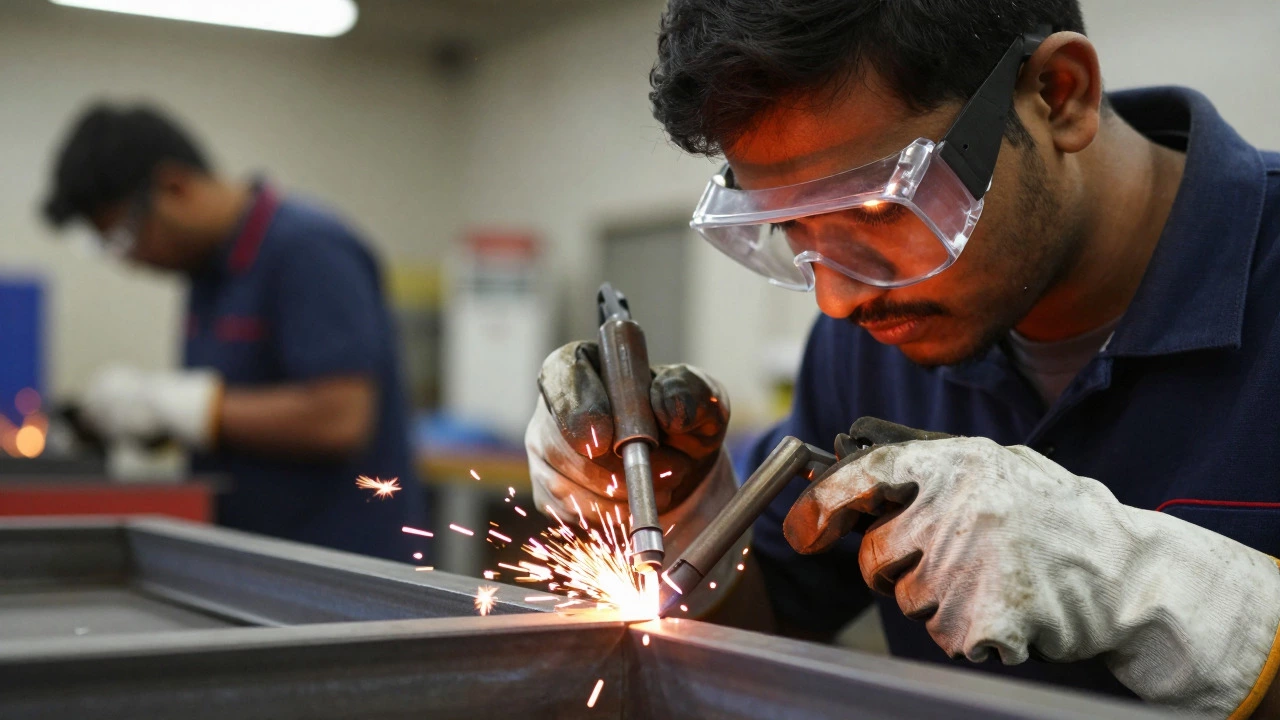
Vocational Training Explained: Real Examples and Career Paths
Discover what vocational training really looks like. We break down real examples in trades, tech, and healthcare, compare costs with university, and show you how to pick the right program for your career goals.
read more...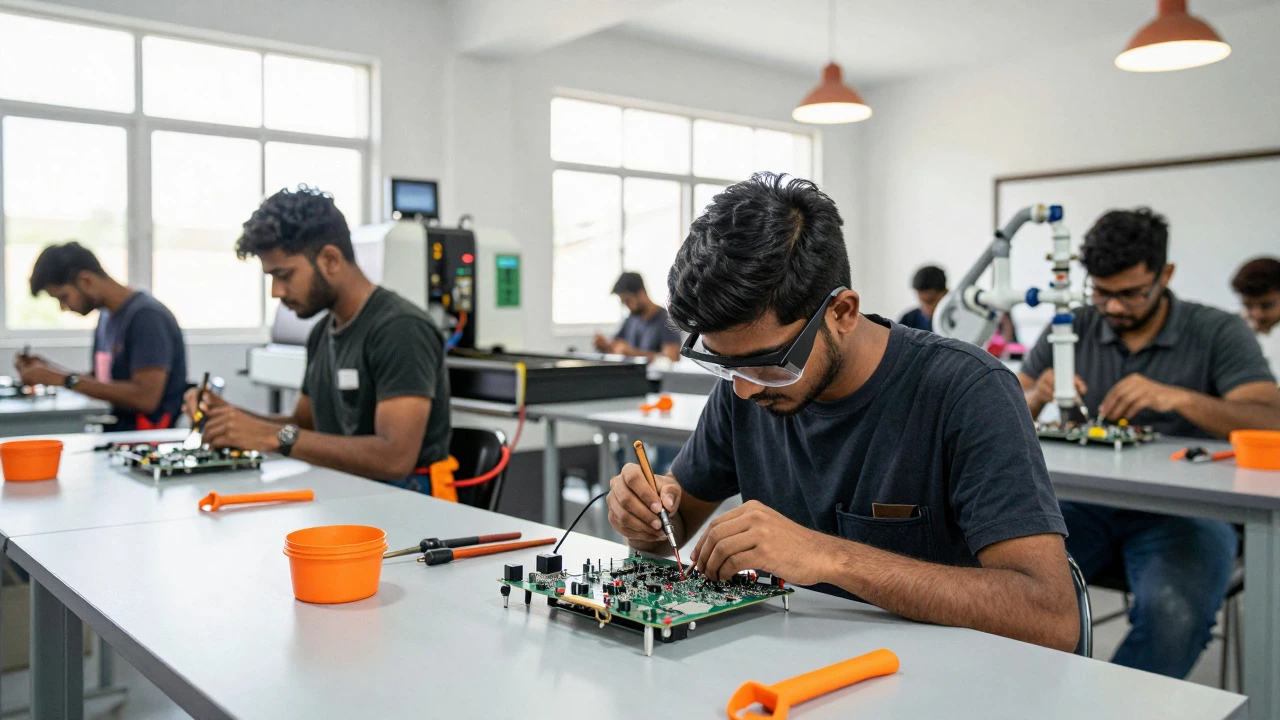
What is the Full Meaning of Vocational: Definition, Types & Career Path
Discover the true meaning of vocational education. Learn how it differs from academic degrees, explore top career fields, and find out how to choose the right training program for your future.
read more...
What Is a Teacher in Training? A Complete Guide to Status, Rights, and Career Paths
Explore what a teacher in training is, covering roles, pathways like PGCE and School Direct, daily challenges, and funding options for aspiring educators.
read more...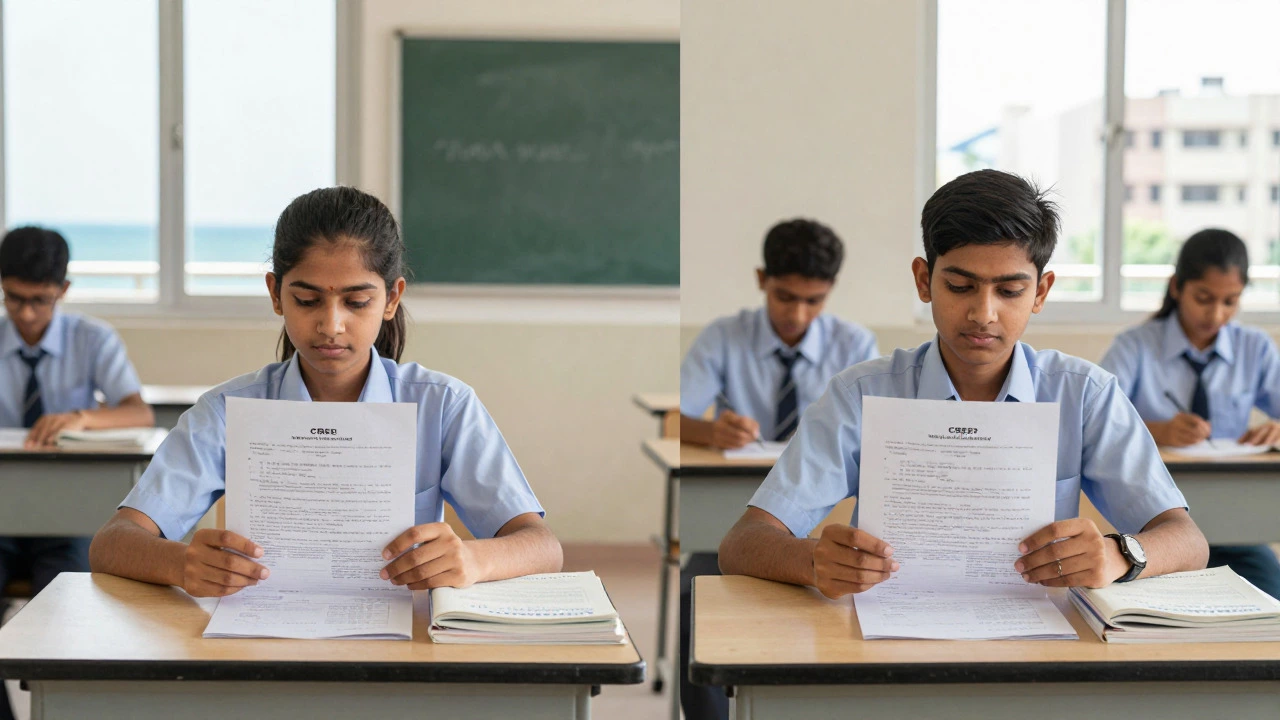
Is the CBSE Exam Paper the Same Across India? A Clear Guide for Students
Discover if the CBSE exam paper is truly uniform across India. Learn about regional variations, language options, and how centralized evaluation ensures fairness for all students.
read more...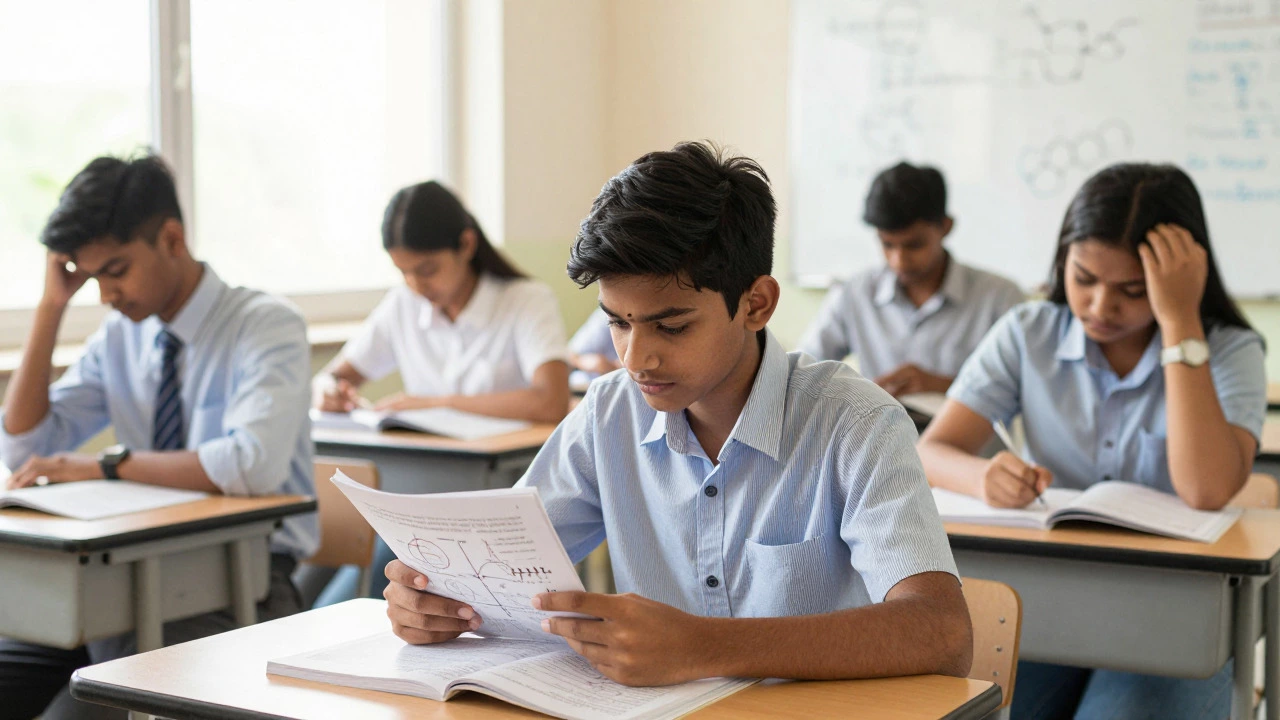
Is CBSE the Easiest Board in India? A 2026 Reality Check
Is CBSE the easiest board in India? We compare CBSE, ICSE, and state boards to help you choose the right fit for your child's career goals.
read more...
Are Exams Easier in the UK or USA? A Student’s Reality Check
Comparing the difficulty of exams in the UK versus the USA. We analyze A-Levels vs SATs, grading styles, and stress factors to help CBSE students decide which system fits their learning style best.
read more...
CBSE vs American School: Which Curriculum Is Actually Harder?
Comparing CBSE and American school systems reveals distinct challenges. CBSE demands deep subject mastery and high-stakes exam performance, while US schools emphasize broad skills, extracurriculars, and continuous assessment. Neither is universally harder; each tests different strengths.
read more...
Is CBSE Accepted in the USA? A Complete Guide for Students and Parents
Discover if CBSE is accepted in the USA for university admissions. Learn about grade conversions, SAT requirements, and how to strengthen your application as an Indian student.
read more...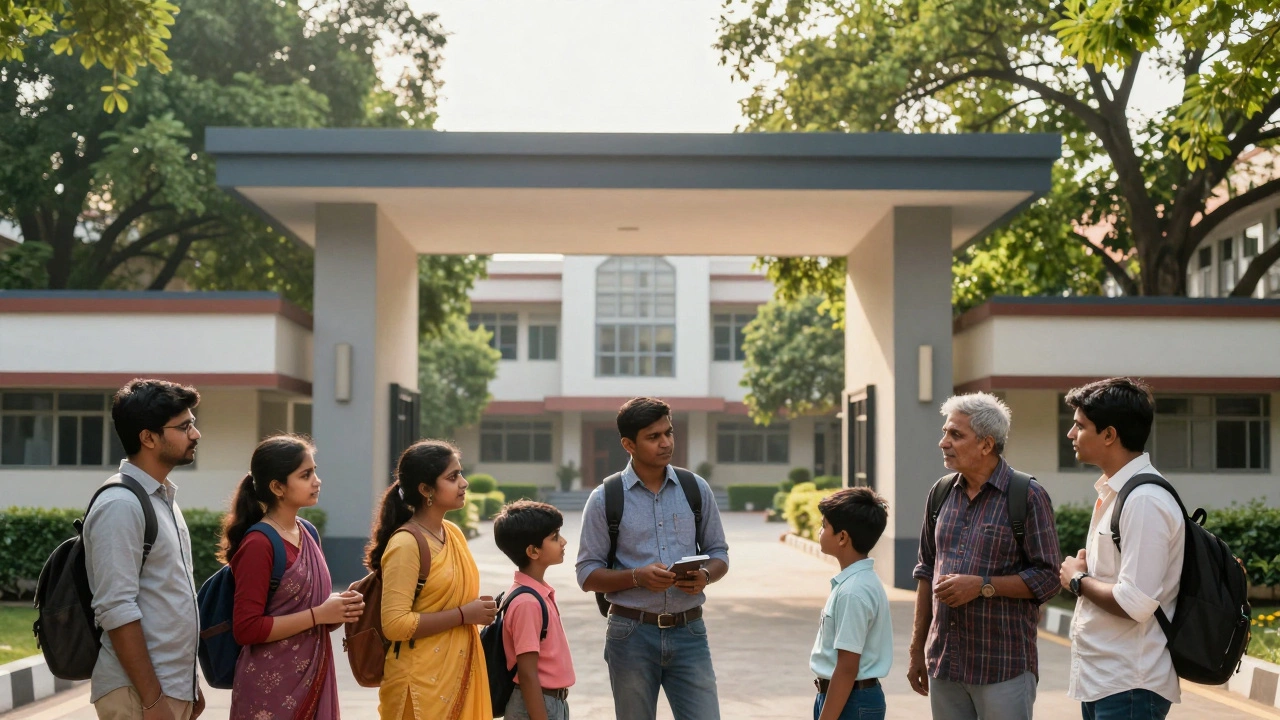
Best CBSE Schools in India: How to Find the Top Institution for Your Child
Confused about which CBSE school is best? Learn how to look past exam rankings to find a school that balances the CBSE syllabus with holistic growth and competitive success.
read more...
What Is Initial Teacher Training and Why It Matters
Initial teacher training is the mandatory process to become a qualified teacher in England. It combines classroom experience with academic study and prepares you to handle real teaching challenges.
read more...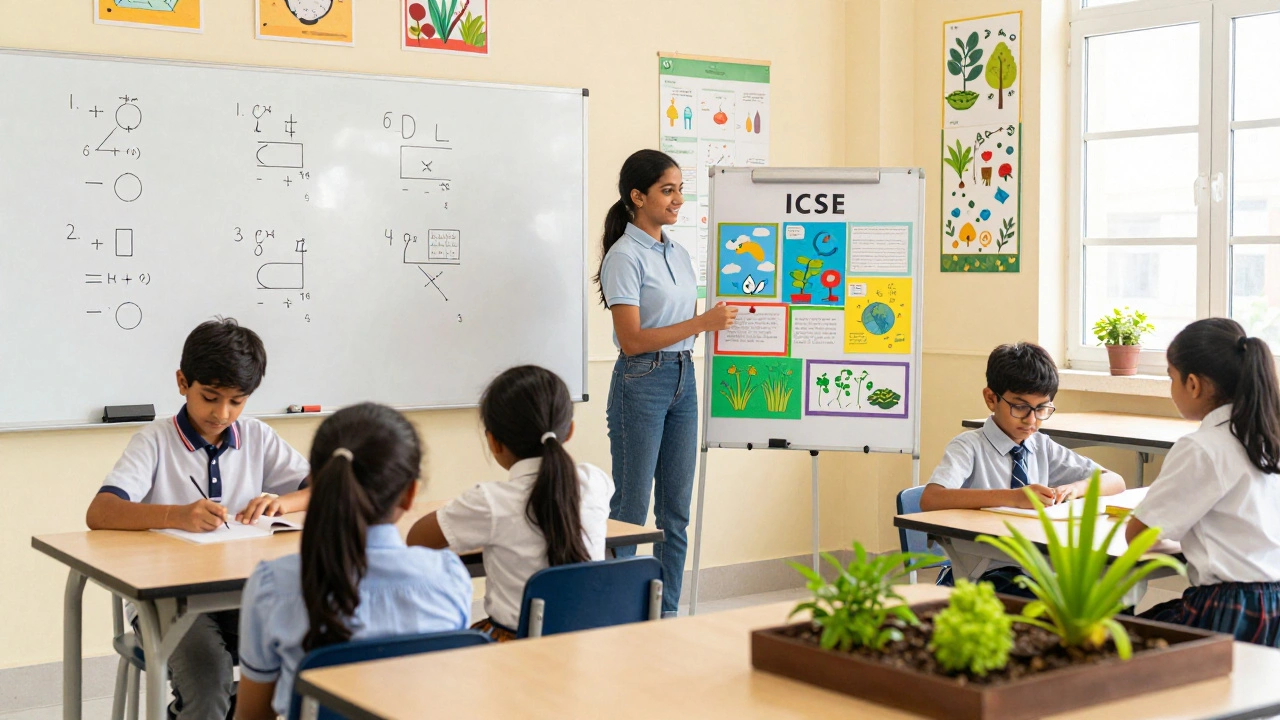
Which Syllabus Is Best for Kids? CBSE vs ICSE vs State Boards Explained
CBSE, ICSE, and state boards each offer different approaches to kids' education. Learn which syllabus fits your child’s learning style, goals, and future plans-without the hype.
read more...
Is it free to study abroad? Real costs and countries where tuition is free
Studying abroad for free is possible in countries like Germany and Norway, but you still need to cover living costs, language requirements, and visa rules. Here’s what you really need to know.
read more...