Military Eligibility for Felons: Can You Join the Military with a Criminal Record?
When you have a felony conviction, military eligibility, the set of rules determining who can enlist in the U.S. armed forces becomes complicated—but not always impossible. Many assume a felony automatically disqualifies you, but the truth is messier. The military doesn’t just look at the crime—it looks at the context: what you did, when you did it, how you’ve changed since, and whether you’ve stayed clean for years. Some branches, like the Army and Air Force, have waiver systems that let them make exceptions, especially if you’re otherwise qualified. It’s not a free pass, but it’s not a hard no either.
Felony, a serious crime punishable by more than one year in prison covers a wide range: drug trafficking, assault, fraud, theft, even some DUIs if they involved injury. Not all felonies are treated the same. A non-violent, one-time offense from ten years ago carries less weight than a recent violent crime. The military also checks for patterns—multiple offenses, probation violations, or uncompleted sentences raise red flags. Military enlistment with felony, the process of applying for service despite a criminal record requires full disclosure. Lying on your application is a faster way to get disqualified than the felony itself. Background checks are thorough, and honesty matters more than perfection.
Military waiver, a special exception granted by military recruiters for applicants who don’t meet standard criteria is your only real path forward if you have a felony. These aren’t handed out lightly. You’ll need clean records for at least two to five years after your sentence ends, strong letters of recommendation, proof of stable employment or education, and sometimes a personal interview with a senior officer. The Navy and Marines are less likely to approve waivers than the Army. The Coast Guard rarely does. Your recruiter can’t promise you one—but they can tell you if you’re even in the running. And yes, some people with felonies have made it in. They didn’t get lucky. They prepared.
What you can’t do is hide your record. The military doesn’t just check police databases—they pull court records, probation files, even social media. If you’re caught lying, you’re out, and you might face legal trouble. But if you’ve turned your life around, you’re not invisible to them. They need people. And sometimes, they need people who’ve been through hardship and come out stronger.
Below, you’ll find real stories, official policies, and step-by-step guides from people who’ve walked this path—some successfully, some not. Whether you’re asking for yourself or someone else, this collection cuts through the noise. No fluff. No promises. Just what actually happens when you walk into a recruiter’s office with a felony on your record.
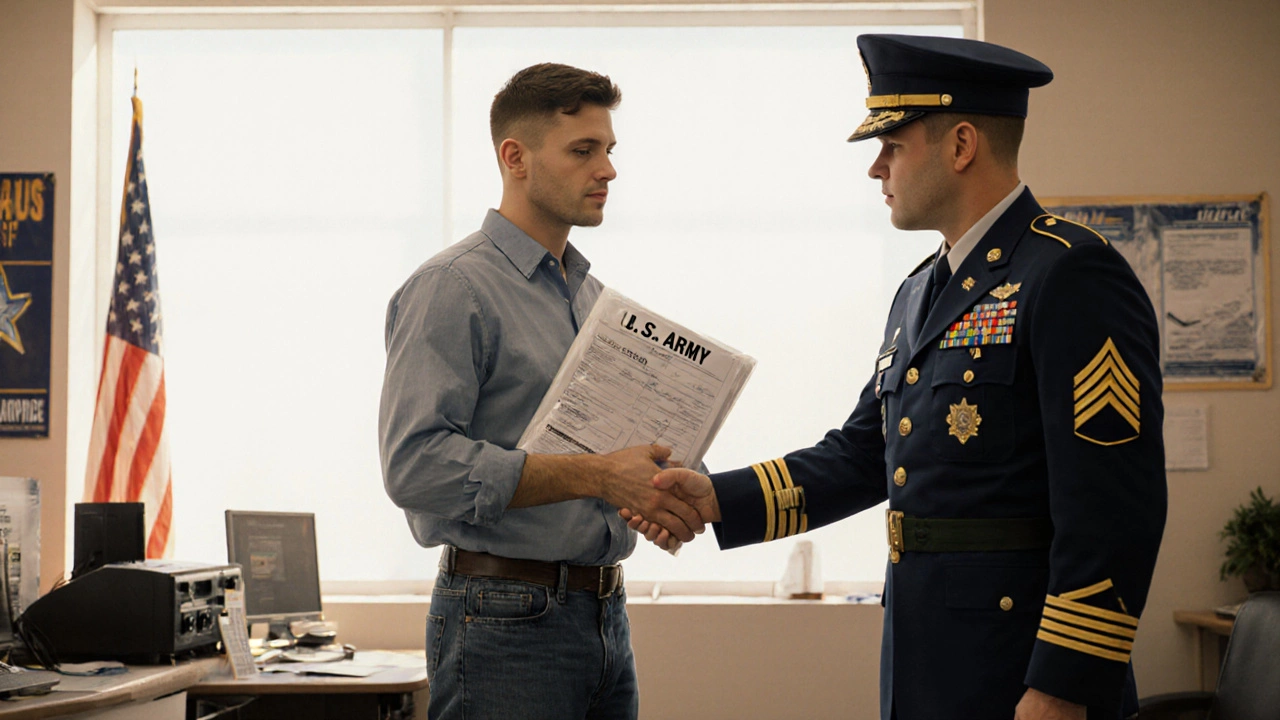
Felons and Military Enlistment: What You Need to Know
Find out if felons can join the U.S. military, which branches allow waivers, how the waiver process works, and key tips to improve your chances.
read more...