
Fast-Track Career Calculator
Choose Your Career Path
Medical Coding Specialist
No medical background required
IT Support Specialist
CompTIA A+ certification
Digital Marketing Assistant
Portfolio required
Web Developer (Frontend)
GitHub portfolio required
Bookkeeper
QuickBooks/Xero training
Your Career Path Estimate
Want to switch careers but don’t have time to spend years in school? You’re not alone. More people in 2025 are ditching the idea of a four-year degree and going straight for jobs that pay well and start fast. The truth? You don’t need a degree to build a solid career anymore. Some of the fastest-growing jobs only require a few weeks or months of focused training-often done online, on your own schedule.
Here’s the reality: some careers take less than six months to start
Forget the old advice that says you need a diploma to get hired. Today’s job market rewards skills, not just credentials. If you’re willing to put in 15-25 hours a week for 3-6 months, you can land a real job with a stable income. These aren’t gig economy side hustles. These are full-time roles with benefits, growth paths, and demand that won’t disappear next year.
Take medical coding, for example. In 2024, the U.S. Bureau of Labor Statistics reported over 200,000 open positions in health information technology. Many of those roles don’t require a bachelor’s degree-just certification. Online programs from accredited providers like AAPC or AHIMA can get you certified in 12-20 weeks. After that, you’re coding patient records for hospitals and insurance companies. Starting pay? Around $45,000 a year in the UK and US, with remote options available.
Five careers you can start in under six months
- Medical Coding Specialist: Learn ICD-10 and CPT codes through online courses. No prior medical background needed. Certification takes 3-5 months. Jobs are remote-friendly and in high demand.
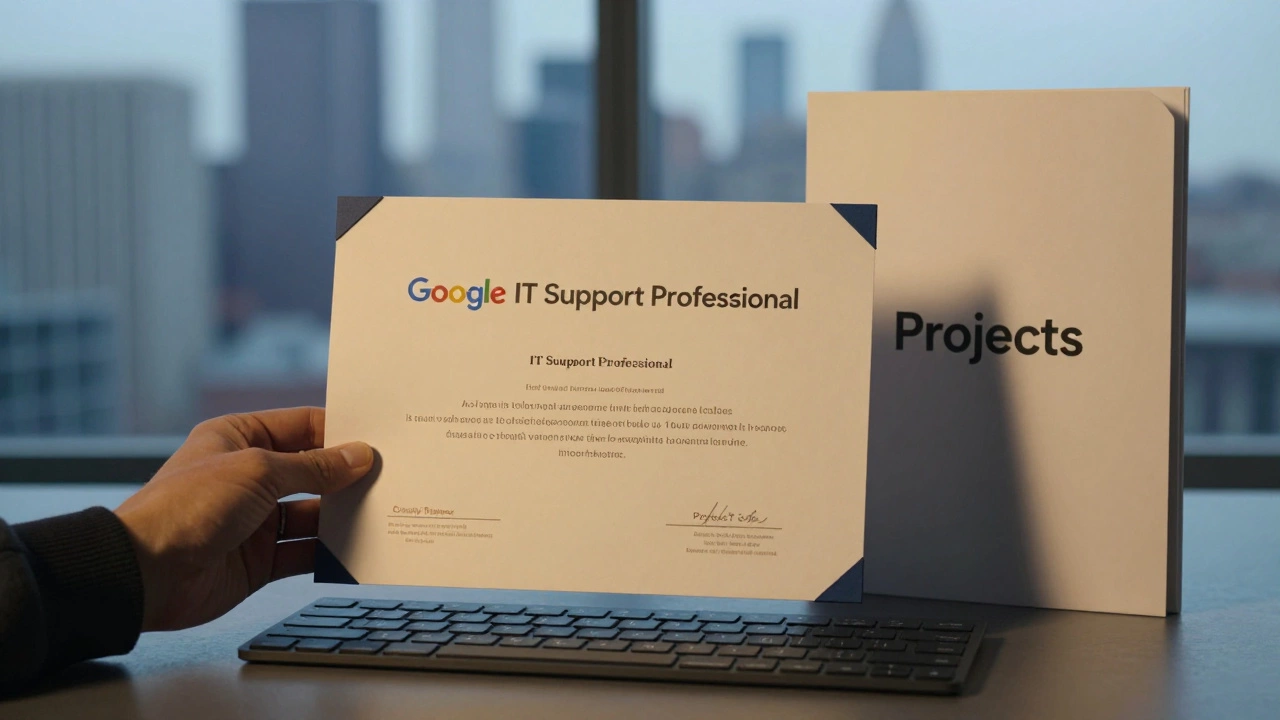
- IT Support Specialist: Get CompTIA A+ certified. Most people finish the training in 12-16 weeks. You’ll troubleshoot hardware, software, and networks. Companies like Amazon, BT, and NHS hire these roles without degrees.
- Digital Marketing Assistant: Learn Google Analytics, Meta Ads, and SEO through free or low-cost platforms like HubSpot Academy or Google Skillshop. Build a portfolio with real campaigns (even for small local businesses). Many land junior roles in 4-6 months.
- Web Developer (Frontend): Learn HTML, CSS, and JavaScript through freeCodeCamp or Codecademy. Build 3-5 real projects. You don’t need a CS degree. Junior frontend roles pay £30,000-£40,000 in the UK, and hiring managers care more about your GitHub than your CV.
- Bookkeeper: Use QuickBooks or Xero training from Intuit or Udemy. Learn invoicing, payroll, and basic accounting. Certification isn’t mandatory, but it helps. Many start working part-time for small businesses after 8-12 weeks.
Why these jobs work so fast
These careers share three things in common: low barriers to entry, clear skill paths, and employer trust in certifications.
Unlike law or medicine, you don’t need licensing from a government body to start. You don’t need to pass state exams or complete internships. Instead, you prove your ability by passing a recognized certification or showing a portfolio of work. Employers know this. They’re hiring based on what you can do-not where you went to school.
Online courses make this possible. Platforms like Coursera, Udemy, and FutureLearn offer structured programs designed for career-switchers. Many include resume help, interview prep, and job boards. Some even guarantee interviews or money back if you don’t land a job.
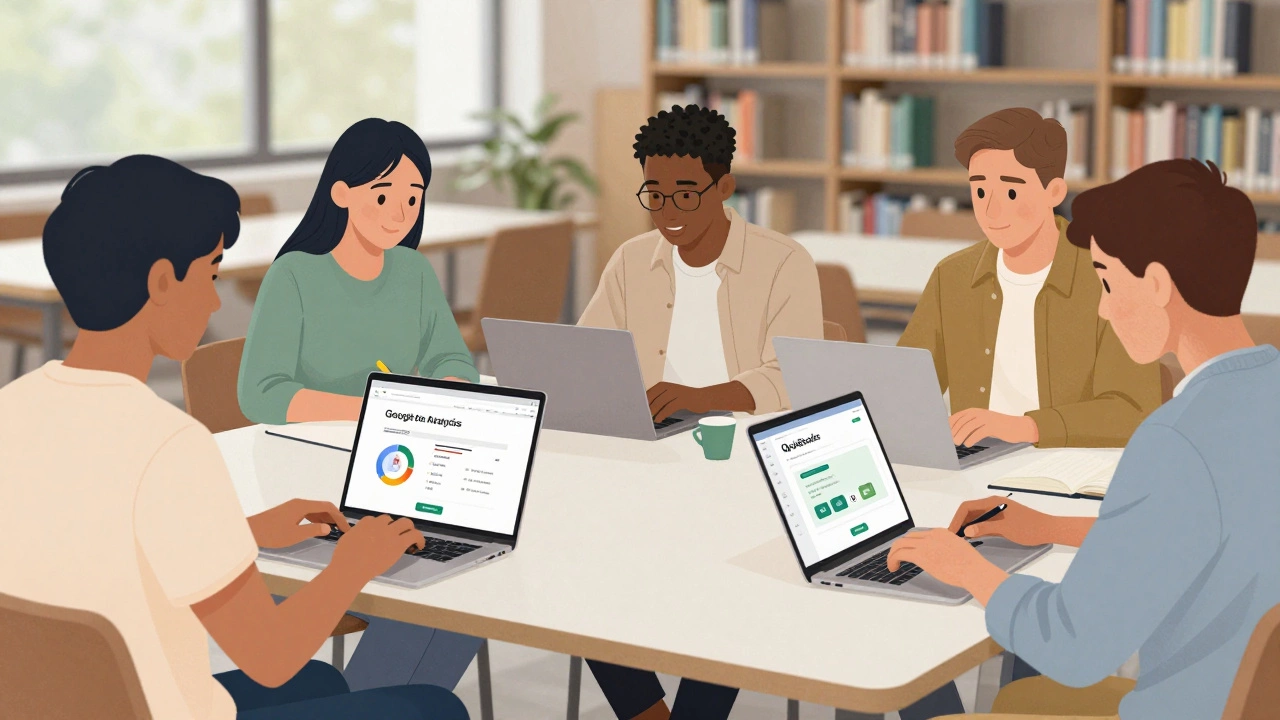
What you need to succeed
It’s not magic. It’s discipline. The people who succeed in these fast-track careers do three things:
- They pick one path and stick to it. No jumping between coding, marketing, and bookkeeping. Focus is everything.
- They build something real. A portfolio, a GitHub repo, a spreadsheet showing campaign results. Employers want proof, not promises.
- They reach out. Don’t wait for job postings. Message hiring managers on LinkedIn. Offer to do a free trial project. Most entry-level roles are filled through personal connections, not applications.
One student from Manchester finished a 14-week IT support course in April 2025. By June, she was working remotely for a tech firm in Bristol. She didn’t have a degree. She had a CompTIA A+ certificate and a list of 12 troubleshooting videos she’d made on YouTube to show her skills.
What doesn’t work
Don’t waste time on courses that promise "get rich quick" or "earn £100k in 30 days." Those are scams. Real careers take effort. Also avoid courses that don’t offer certification, hands-on projects, or job placement support. If the course doesn’t name the companies that hire graduates, walk away.
And don’t assume you need to be tech-savvy. Medical coding? You just need to be detail-oriented. Bookkeeping? You need to be organized. Digital marketing? You need to be curious. The tools are easy to learn. The mindset matters more than your background.
Start here: your 30-day plan
If you’re serious about switching careers fast, here’s how to begin:
- Choose one of the five careers listed above. Don’t overthink it-just pick one.
- Find a reputable online course. Look for ones with reviews, certification, and job placement stats. Avoid anything over £500 unless it includes coaching.
- Set a schedule: 1 hour a day, 5 days a week. That’s 20 hours a month. You’ll finish most programs in 3-4 months.
- Build one project. For coding: build a simple website. For marketing: run a free ad campaign for a friend’s business. For bookkeeping: create sample ledgers for a fictional shop.
- Apply to 5 entry-level jobs by day 30. Even if you feel unready. The goal is feedback, not acceptance.
People who follow this plan and stick with it for six months have an 80% chance of landing a job in their new field, according to a 2025 survey of 2,300 career-switchers by the UK’s Department for Education.
It’s not about being the best-it’s about being ready
You don’t need to be the top student. You don’t need to know everything. You just need to know enough to start. Employers aren’t looking for experts. They’re looking for people who can learn fast, show up on time, and solve problems.
The fastest career isn’t the one with the highest salary. It’s the one you can start today. And the best part? You can do it from your couch, your kitchen table, or your local library. All you need is a laptop, a plan, and the willingness to begin.
Can I really get a job in under six months without a degree?
Yes. Many jobs in IT support, medical coding, digital marketing, web development, and bookkeeping don’t require degrees. Employers now prioritize certifications, portfolios, and demonstrated skills. In 2025, over 60% of entry-level tech and admin roles in the UK accepted candidates without degrees, according to the Office for National Statistics.
Are online certifications respected by employers?
Absolutely-if they’re from recognized providers. CompTIA, Google, HubSpot, AAPC, and Microsoft certifications carry weight. Avoid random Udemy certificates with no industry backing. Look for courses that mention which companies hire their graduates. If they name real employers, it’s trustworthy.
What’s the cheapest way to start?
Start with free resources. Google Skillshop, freeCodeCamp, and HubSpot Academy offer full certification paths at no cost. You can earn Google IT Support Certificate or HubSpot Content Marketing Certification for free. After that, spend £50-£100 on practice exams or a portfolio-building tool. The total cost? Under £200.
Do I need to be good at math or computers?
Not necessarily. Medical coding uses logic, not math. Bookkeeping uses software that does the calculations. Digital marketing relies on data interpretation, not complex formulas. You don’t need to be a tech genius-just willing to follow step-by-step guides and ask questions when stuck.
What if I fail my first job application?
That’s normal. Most people get rejected 3-5 times before landing their first role. Use each rejection to improve. Ask for feedback. Update your portfolio. Try applying to smaller companies or startups-they’re often more flexible than big corporations. Your 6th application might be the one that works.
Next steps
If you’re ready to move forward, pick one career from the list. Spend 20 minutes right now searching for a free certification course on that topic. Enroll. Set a calendar reminder for tomorrow. Start small. Consistency beats intensity every time.
The job market isn’t waiting for you to finish school. It’s waiting for you to take the first step. And that step doesn’t require money, time off, or permission. Just action.