Technical Institute: What They Are, How They Work, and Which Ones Matter
A technical institute, a focused educational institution that trains students in applied sciences, engineering, and skilled trades. Also known as polytechnic, it’s not a university—but for many, it’s the fastest path to a real job. While universities teach theory, technical institutes teach you how to fix, build, code, operate, and manage. Think of them as the hands-on backbone of India’s workforce.
These institutes don’t just offer engineering degrees. They train electricians, welders, drafters, lab technicians, CNC operators, and IT support staff. Many students skip the four-year college route because they want to earn sooner. A vocational training, practical education designed to prepare people for specific skilled trades or careers from a technical institute can get you hired in six months—not four years. And in places like Tamil Nadu, Maharashtra, and Uttar Pradesh, government-run polytechnics are often free or low-cost, with high placement rates.
What makes a technical institute worth your time? It’s not the name on the gate. It’s whether the curriculum matches what employers actually need. Look for institutes that partner with local industries, offer internships, and teach tools like AutoCAD, PLCs, or Python—not just textbooks. Some even run their own workshops. The best ones don’t just give certificates—they give you a portfolio of work you’ve actually done.
You’ll find that many of the posts here connect directly to this world. Whether it’s cracking IIT JEE in two years or choosing between CBSE and state boards, the path often leads to a technical institute. Even if you’re aiming for an MBA later, a diploma in mechanical engineering or computer science gives you real experience that top programs notice. And if you’re thinking about studying abroad, knowing what a technical institute offers helps you compare systems—like Germany’s dual education model or Canada’s college-to-work pipeline.
There’s a myth that technical institutes are for students who couldn’t get into college. That’s not true. They’re for students who know what they want: a job, a skill, a paycheck, and a future that doesn’t start with student debt. The people who thrive here aren’t the ones memorizing formulas—they’re the ones who can troubleshoot a circuit, write a script, or calibrate a machine.
Below, you’ll find guides on everything from free apps for online teaching to the toughest degrees in India. You’ll see how coding for beginners ties into technical training, how Google Classroom helps teachers in polytechnics, and why some of the highest-paying jobs don’t require a bachelor’s at all. This isn’t just a list of articles—it’s a map to the real world of education that works.
Vocational School: What's Another Name and Why It Matters
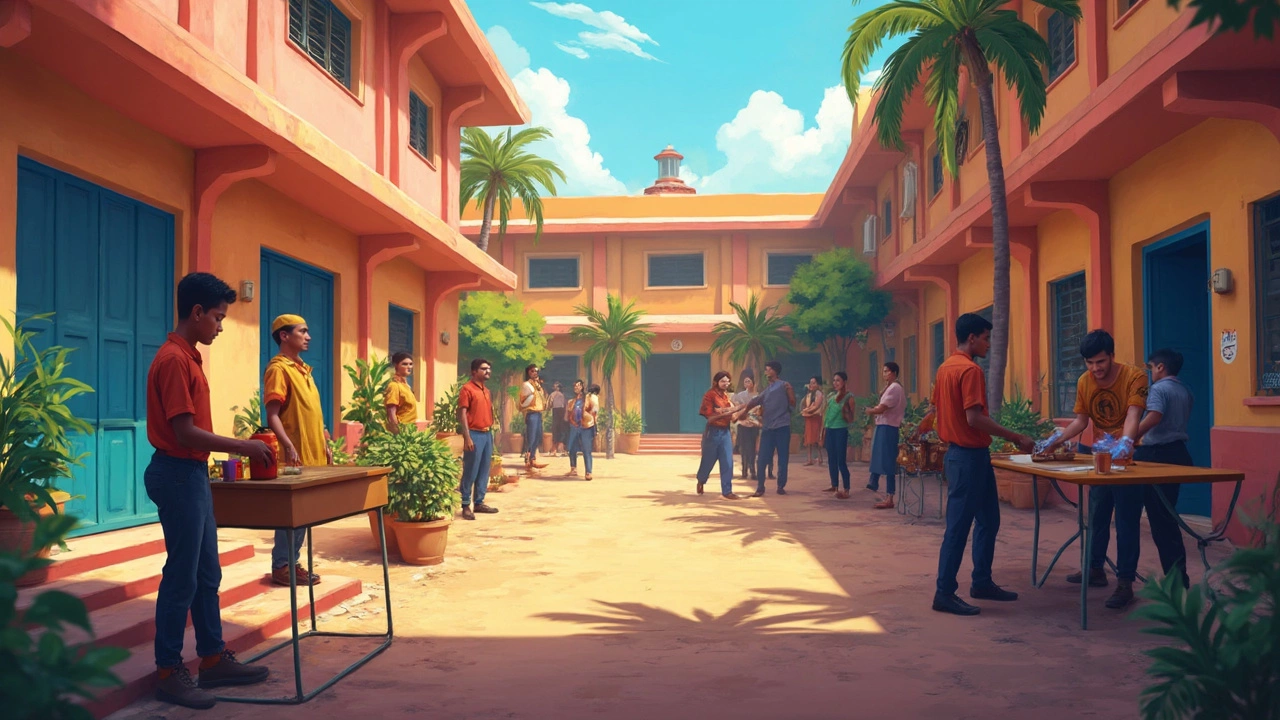
Vocational schools, often called trade schools or technical institutes, play a pivotal role in providing practical skills for a wide range of careers. These centers focus on hands-on training, enabling students to enter the workforce competently. Exploring the various names and types of these schools helps in understanding their diverse offerings. Discover how vocational schools can be the stepping stone to a fulfilling career, no matter your interests.
read more...