Indian Education Board: Understanding CBSE, State Boards, and How They Shape Learning
When you hear Indian education board, a government-regulated body that designs school curricula, conducts exams, and certifies students across India. Also known as school board, it doesn't just set lessons—it decides what millions of students study, how they’re tested, and even what career paths feel possible. There’s no single Indian education board. Instead, there are multiple systems: CBSE, the Central Board of Secondary Education, used by most private schools and coaching centers preparing for national exams like JEE and NEET, state boards, run by individual states like Maharashtra, Tamil Nadu, or Uttar Pradesh, often with local language focus and different pacing, and international options like IB and Cambridge that some families choose for global mobility.
These boards aren’t just administrative labels—they shape daily life in classrooms. CBSE pushes for standardized, exam-focused learning, which is why so many students end up in coaching centers for IIT JEE or NEET. State boards, on the other hand, often give more weight to local culture and slower pacing, but can leave students struggling when they try to switch to national-level exams. The gap between what’s taught and what’s tested isn’t just a policy issue—it’s a stress factor for teens, parents, and teachers alike. And while some swear by CBSE’s structure, others say state boards give kids more breathing room. Neither is "better." It depends on your goals: Are you aiming for engineering college? Then CBSE might be your best bet. Are you looking for balanced learning with less pressure? A state board could be the quiet win.
What you’ll find below isn’t a list of opinions—it’s a collection of real, practical posts from students and educators who’ve lived through these systems. You’ll see how CBSE syllabus affects prep for JEE, why some students switch boards mid-school, how state boards compare to international ones, and what actually works when you’re trying to pass a tough exam without burning out. There’s no sugarcoating here. Just facts, stories, and clear comparisons that help you decide what fits your path.
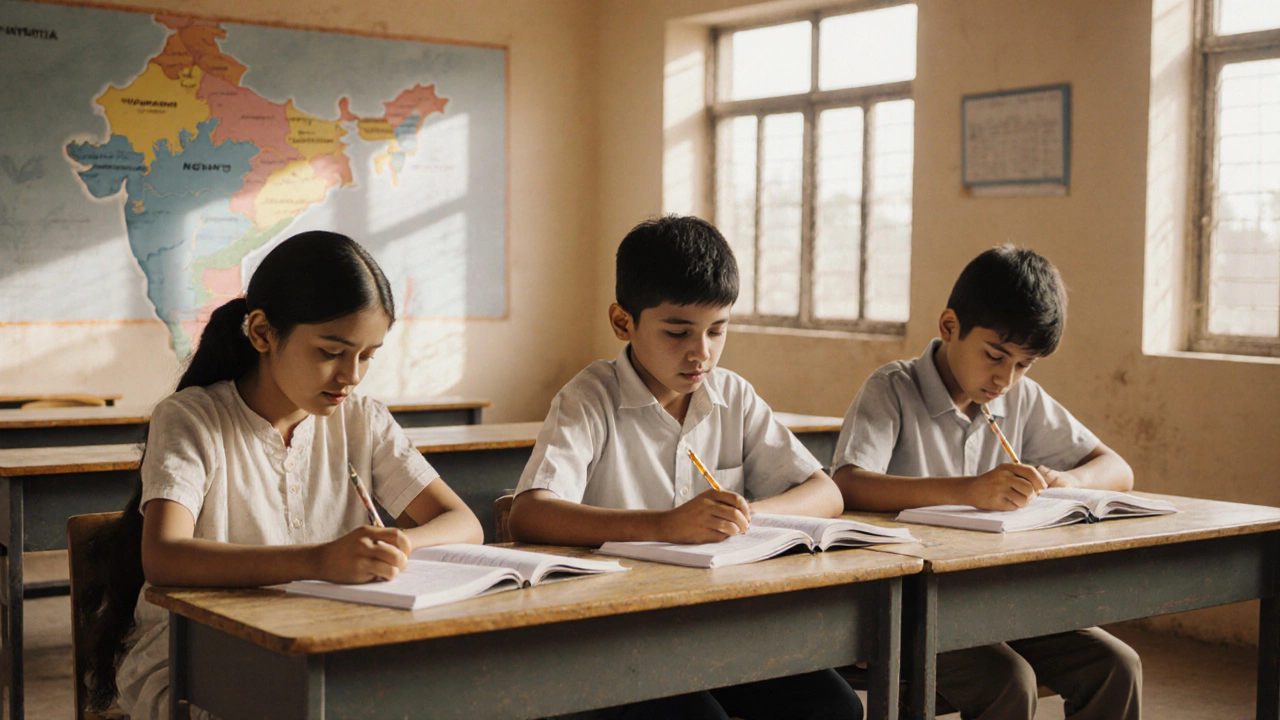
Why CBSE Is Preferred: Benefits of the CBSE Syllabus for Students
Explore why CBSE is the go‑to board in India, from its concept‑driven syllabus and NCERT textbooks to its alignment with NEET and JEE, plus real‑world advantages and FAQs.
read more...