CBSE vs State Board: Which Syllabus Fits Your Child’s Future?
When it comes to school education in India, the choice between CBSE, the Central Board of Secondary Education, a national curriculum focused on standardized testing and science-heavy syllabi and your state board, a regional education system that tailors content to local language, culture, and state-level exams isn’t just about textbooks—it’s about your child’s path to college, careers, and confidence. Many parents assume CBSE is the "better" option because it’s used in more private schools and aligns with national exams like JEE and NEET. But that’s not the whole story. State boards often offer deeper coverage of local history, simpler language in textbooks, and less pressure in early grades. The real question isn’t which is harder—it’s which matches your child’s learning style and goals.
Here’s what actually changes when you pick one over the other. CBSE follows a uniform syllabus across the country, making it easier for families who move often. Its focus on science, math, and English prepares students directly for competitive exams. But that also means rote memorization is common, and critical thinking often takes a backseat. On the flip side, state board systems like Maharashtra’s MSBSHSE or Tamil Nadu’s TN SSLC teach in regional languages, include local content in social studies, and often have more lenient grading. Students in state boards may not get as much exposure to English-medium instruction, but they often develop stronger foundational understanding because the pace is slower and the exams are less intense.
It’s not about which is smarter—it’s about which fits. If your child is aiming for IIT, AIIMS, or top engineering colleges, CBSE gives a clear edge. But if your child thrives in a less pressured environment, plans to study locally, or struggles with heavy syllabi, a state board can be the smarter, more sustainable choice. And here’s the truth: many students switch from state boards to CBSE in Class 9 or 10 to catch up for competitive exams—and succeed. The system isn’t rigid. What matters most isn’t the board—it’s consistent effort, good teaching, and a child who feels supported.
Below, you’ll find real posts from parents, teachers, and students who’ve walked both paths. From how CBSE syllabus affects stress levels to why some state board students outperform CBSE peers in college, these stories cut through the noise. No marketing. No hype. Just what actually happens when you choose one over the other.
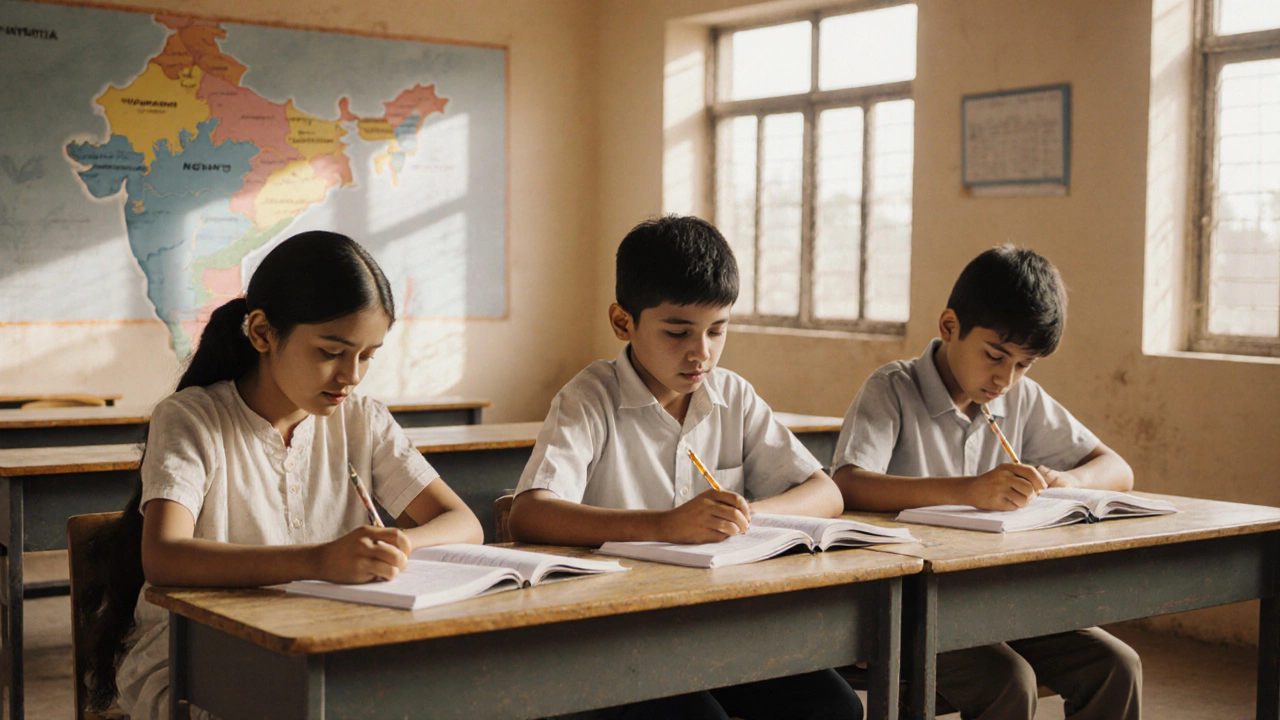
Why CBSE Is Preferred: Benefits of the CBSE Syllabus for Students
Explore why CBSE is the go‑to board in India, from its concept‑driven syllabus and NCERT textbooks to its alignment with NEET and JEE, plus real‑world advantages and FAQs.
read more...