
Python Job Readiness Calculator
Assess your readiness for Python-related jobs. Check off skills you've learned and get personalized recommendations based on your selections.
Select Your Target Role
Skills Checklist
Python Fundamentals
Python Libraries
Complementary Skills
Portfolio & Communication
Your Job Readiness Score
You’ve spent a few weeks learning Python. You can write a loop, scrape a website, and maybe even automate your spreadsheet. Now you’re wondering: Is Python enough to get a job? The short answer? Yes - but not by itself. Python is a powerful tool, but landing a job means knowing how to use it in the real world, not just in tutorials.
Python is in demand - but so are other skills
Python is one of the most popular programming languages in 2025. It’s used in web development, data analysis, artificial intelligence, automation, and even cybersecurity. Companies like Google, Netflix, and the UK’s National Health Service rely on Python daily. Job postings for Python roles have grown by 37% since 2022, according to data from the UK’s Office for National Statistics.
But here’s the catch: employers don’t hire Python writers. They hire problem solvers. If you can only write a script that adds up numbers in a CSV file, you won’t stand out. You need context. You need to know how your code fits into a larger system.
What jobs actually want from Python developers
Let’s look at three common roles where Python is the main language - and what else they expect.
- Data Analyst: You need Python (Pandas, NumPy), but also SQL to pull data from databases, Excel for reporting, and basic stats to understand what the numbers mean. Some roles ask for Power BI or Tableau too.
- Junior Web Developer: Python (Django or Flask) is only half the story. You’ll also need HTML, CSS, JavaScript, and basic understanding of how servers and APIs work. Frontend skills are often expected, even for backend roles.
- Automation Engineer: You write Python scripts to replace manual tasks. But you also need to know how to schedule jobs with cron or Airflow, handle errors gracefully, and document your work so others can use it.
None of these roles ask for Python alone. They ask for Python + context + communication.
Real examples: What people actually did to land jobs
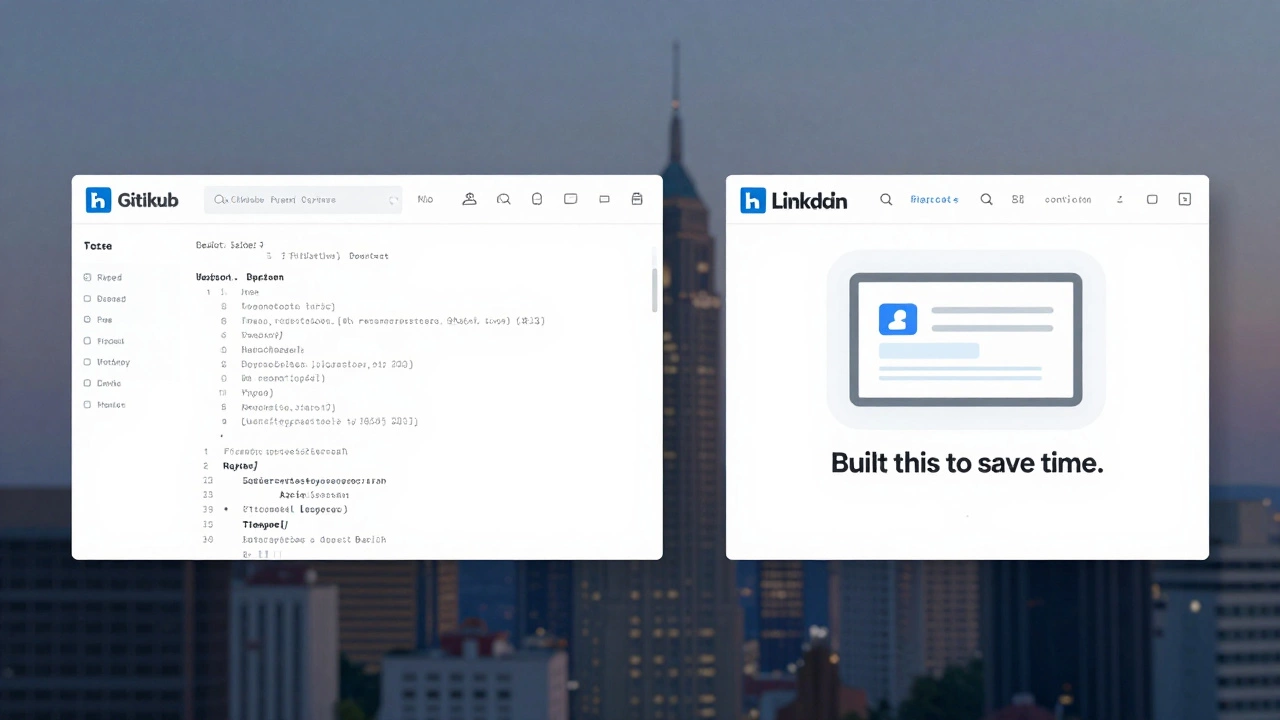
Meet Sarah, a 28-year-old from Leeds. She took a free Python course on YouTube, then built a tool that scraped property listings and emailed her when prices dropped below £200,000. She didn’t apply for any jobs. Instead, she posted her project on LinkedIn with a simple caption: “Built this to save time hunting for flats. Here’s how it works.”
Three days later, a local property tech startup reached out. They needed someone to clean up their data pipeline. She didn’t have a degree. She didn’t have a portfolio website. She had one working tool - and she showed how it solved a real problem.
Then there’s Raj, a former retail worker in Birmingham. He spent six months learning Python and SQL. He didn’t just follow tutorials - he recreated real business reports from his old job using public data. He made a GitHub repo with clean code and a README that explained what each file did. He applied to five junior analyst roles. Got two interviews. Got one offer.
Both Sarah and Raj used Python as their foundation - but they didn’t stop there. They built something. They showed it. They told a story.
What you need to do right now
If you’re serious about getting a job with Python, here’s what to focus on - in order:
- Build one real project - not a todo list app. Something that solves a problem you care about. Maybe you track your bus times, automate your grocery list, or analyze your Spotify listening habits. Make it personal. Make it public on GitHub.
- Learn one related tool - SQL is the most useful. If you’re into data, learn Pandas and Excel. If you’re into web, learn HTML/CSS. Pick one and get comfortable with it.
- Write about it - Even a short LinkedIn post or Medium article explaining what you built and why helps. Employers remember people who can explain their work.
- Apply to junior roles - Look for titles like “Junior Data Analyst,” “Automation Assistant,” or “Python Developer (Entry Level).” Don’t wait until you know everything. Most companies expect you to learn on the job.
What won’t work
Just doing free Codecademy or Coursera courses won’t get you hired. Watching YouTube tutorials won’t get you hired. Memorizing Python syntax won’t get you hired.
You need to show you can do something - not just know something. Employers care about what you’ve built, not how many badges you’ve collected.
How long does it take?
Some people land jobs in 3 months. Others take a year. It depends on how much time you put in - and how focused you are.
If you spend 10 hours a week learning Python and building something real, you’ll be job-ready in 4-6 months. If you’re only doing 2 hours a week while waiting for inspiration? It’ll take longer.
There’s no magic timeline. But there is a clear path: build → show → apply.
Is Python enough? Yes - if you layer on the rest
Python is the easiest programming language to start with. That’s why so many people pick it. But it’s also why the market is crowded. You’re not competing against people who don’t know Python. You’re competing against people who know Python and SQL, and can explain their projects, and have a GitHub profile that looks professional.
Python is your foot in the door. The rest? That’s your job to build.
What to learn next after Python
Once you’re comfortable with Python, here’s what to add - in order of usefulness:
- SQL - Every job that uses data needs it. Learn to write queries, join tables, and filter results.
- Git and GitHub - You need to version your code and share it. Learn basic commands: git init, add, commit, push.
- One framework - Pick Django (for web) or Pandas (for data). Master one before moving to another.
- Basic Linux/Command Line - You’ll need to run scripts on servers. Learn how to navigate folders, run files, and check logs.
- Communication - Can you explain your code to someone who doesn’t code? Practice writing clear READMEs and giving short demos.
Final thought: You don’t need to be perfect
You don’t need a computer science degree. You don’t need to know 10 languages. You don’t need to have worked at a big tech company.
You just need to show you can solve a problem - and that you’re the kind of person who follows through. Python gives you the tools. The rest? That’s up to you.
Can I get a job with Python if I’m self-taught?
Yes - and many Python developers in the UK are self-taught. Companies care more about what you can build than where you learned it. A GitHub portfolio with real projects, clear documentation, and problem-solving examples carries more weight than a certificate.
Do I need a degree to use Python for a job?
No. Most entry-level Python jobs in the UK don’t require a degree. Roles in data analysis, automation, and web development often prioritize skills over formal education. What matters is your ability to deliver results - not your transcript.
How much can I earn starting out with Python?
Entry-level Python roles in the UK pay between £28,000 and £38,000 per year, depending on location and industry. London and remote tech roles tend to pay higher. Outside major cities, salaries start around £25,000-£30,000. These are junior positions - your pay will grow quickly as you gain experience.
Is Python better than JavaScript for getting a job?
It depends on the job. JavaScript is essential for web development, especially front-end roles. Python dominates in data, automation, and backend systems. If you’re aiming for data science or AI, Python is the clear choice. For full-stack web roles, you’ll need both. Start with Python - it’s easier to learn - then add JavaScript if you move into web development.
What if I only know Python and nothing else?
You can still get hired - but you’ll likely start in very specific roles like data cleaning, script automation, or internal tool support. These jobs are often overlooked, but they’re real entry points. Once you’re inside a company, you can learn the rest on the job. The key is getting your foot in the door.
Next steps: What to do today
Don’t wait for the perfect moment. Here’s what to do right now:
- Open your computer.
- Pick one small problem you deal with daily - like organizing files, tracking expenses, or checking weather before leaving home.
- Write a Python script to solve it. Even if it’s 10 lines long.
- Upload it to GitHub with a simple README explaining what it does.
- Share it with one person - a friend, a Reddit community, or LinkedIn.
That’s it. You’ve just taken the first real step toward a job. Python is enough - if you make it count.