
English Learning Path Finder
Not sure which app or method is right for you? Answer two quick questions to get a personalized recommendation based on expert advice.
Your Recommended Strategy
Top Tool Recommendations:
There is no single best tool to learn English that works for everyone. If you are looking for a magic app that will make you fluent while you sleep, you are chasing a ghost. The reality of language acquisition in 2026 is messier and more rewarding than that. You need a combination of inputs (reading/listening) and outputs (speaking/writing). Most learners fail because they stick to one method for too long. They get stuck on a screen, tapping buttons, but never opening their mouths. This guide breaks down the most effective tools based on your specific goal, whether it is passing an exam, surviving a business meeting, or just chatting with friends.
Key Takeaways
- No One-Size-Fits-All: Your best tool depends entirely on your current level and target outcome (IELTS vs. casual chat).
- Active Output Wins: Passive apps like Duolingo build habits, but active tools like iTalki build fluency.
- Context Matters: Use AI tutors for low-stakes practice and human tutors for nuanced cultural understanding.
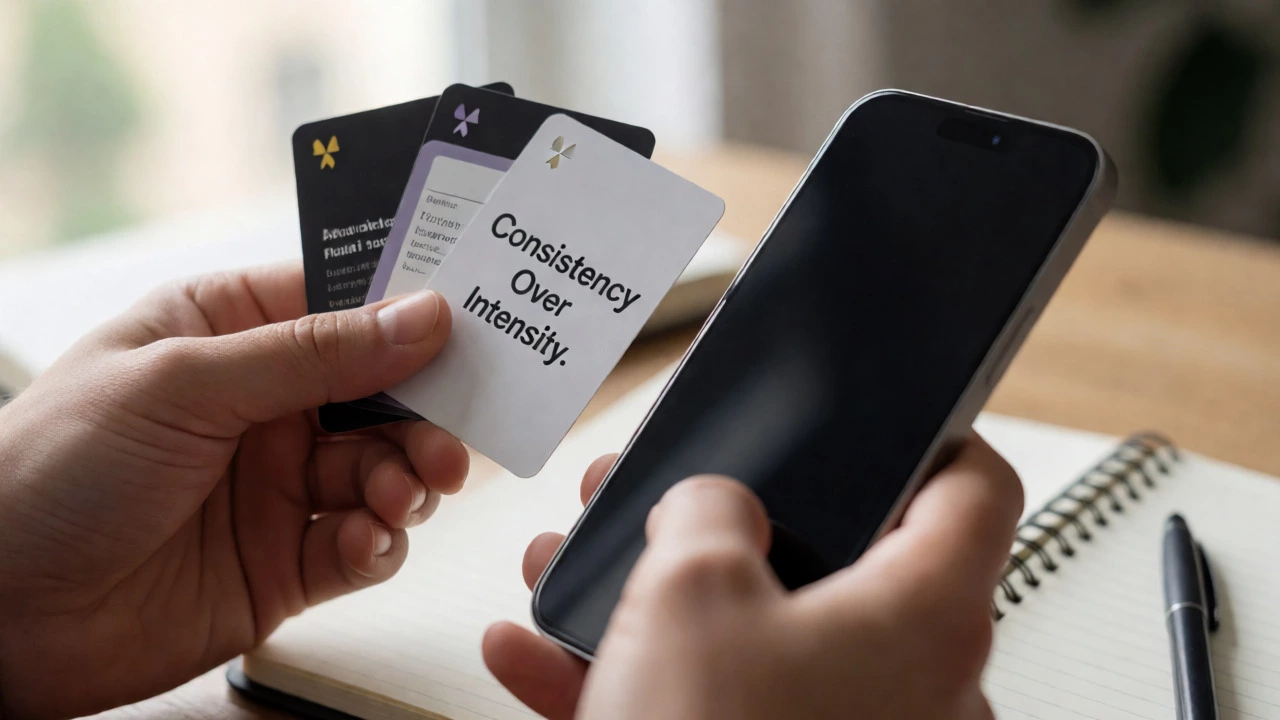
- Consistency Over Intensity: 15 minutes daily with a good tool beats 3 hours once a week.
Defining Your Goal Before Choosing a Tool
Before you download anything, ask yourself why you are learning. Are you preparing for the IELTS or TOEFL? Do you need to write professional emails? Or do you just want to understand Netflix without subtitles? Each goal requires a different stack of tools. A student needing grammar precision needs different software than a traveler needing quick phrases. In my experience teaching in Oxford, I see students waste months using gamified apps when they should be doing immersion exercises. Identify your "job-to-be-done." Is it career advancement? Academic entry? Social integration? Once you know the job, you can pick the right hammer.
The Heavy Hitters: Comprehensive Learning Platforms
If you want structure, start with a comprehensive platform. These are not just apps; they are ecosystems. Babbel and Rosetta Stone have been around for years, but they have evolved. Babbel focuses on conversation skills from day one, which is crucial if you plan to speak soon. It uses speech recognition technology that has improved significantly by 2026. However, it can feel rigid. Rosetta Stone relies on immersion, banning your native language entirely. This works for some brains but frustrates others who need explicit grammar rules.
For serious academic preparation, look at Coursera or edX. These platforms offer university-level courses. You might take a course on "Academic Writing" from the University of London. This provides depth that a mobile app cannot match. You get assignments graded by peers or instructors. It is slower, but the retention rate is higher because you are working harder. If you are aiming for a master's degree abroad, these platforms are often better than dedicated language apps.

Speaking Practice: Bridging the Gap
This is where most learners stall. You know the words, but your mouth refuses to form them. You need output. iTalki remains the gold standard for connecting with native speakers. You can hire community tutors for casual conversation or professional teachers for structured lessons. The key advantage here is real-time feedback. An algorithm cannot tell you that your tone sounded rude; a human can. Prices vary widely, from $5/hour for community tutors to $40+/hour for certified experts. Start with cheaper community tutors to build confidence, then move to professionals for polish.
Alternatively, consider Preply. It functions similarly but emphasizes matching algorithms to find tutors who share your interests. If you love football, find a tutor who loves football. Conversation flows easier when there is shared context. Another rising star is AI-driven voice assistants. Tools like Speak use generative AI to simulate conversations. The benefit? No judgment. You can stumble over words all day without feeling embarrassed. For introverts, this is a game-changer. But beware: AI still misses subtle cultural cues. It won't tell you that your joke landed poorly in a British pub.
Vocabulary and Retention Tools
Memory is fragile. You forget 80% of new words within 24 hours unless you review them. Enter Spaced Repetition Systems (SRS). Anki is the undisputed king here. It is free, open-source, and highly customizable. You create digital flashcards, and the algorithm shows them to you right before you forget. It looks ugly, but it works brilliantly. Many medical students use Anki; you can use it for English phrasal verbs.
If Anki feels too technical, try Memrise. It combines SRS with video clips of native speakers. Seeing a real person say "cheers" helps anchor the word in memory better than text alone. For reading-focused vocabulary building, LingQ allows you to import articles and highlight unknown words. It tracks your known vocabulary count, giving you a clear metric of progress. Reading news from BBC Learning English alongside LingQ creates a powerful synergy. You read about current events, save the hard words, and review them later.
| Tool Type | Best For | Cost Model | Effectiveness Rating |
|---|---|---|---|
| Duolingo | Habit Building / Beginners | Free / Subscription | Medium (Low for fluency) |
| iTalki | Speaking Confidence | Pay-per-hour | High |
| Anki | Vocabulary Retention | Free (Desktop) / Paid (iOS) | Very High |
| Babbel | Structured Grammar/Conversation | Subscription | High |
| Speak (AI) | Low-Stakes Practice | Subscription | Medium-High |
Immersion Without Traveling
You don't need to fly to London to immerse yourself. You can change your digital environment. Switch your phone interface to English. Follow English-speaking influencers on Instagram or TikTok. Listen to podcasts like The English We Speak by BBC or Luke's English Podcast. These provide natural rhythm and slang that textbooks miss. Watching movies with English subtitles (not your native language) forces your brain to connect sound to text. It is exhausting at first, but your processing speed improves rapidly.
Another trick is shadowing. Pick a short audio clip of a native speaker. Listen to a sentence, pause, and repeat it exactly as they said it. Mimic their intonation, pauses, and emotion. This trains your muscle memory for pronunciation. Apps like Speechling automate this process by letting you record yourself and compare it to the original. It gives you visual feedback on your pitch and pace. This is far more effective than just listening passively.
Pitfalls to Avoid
First, avoid the "App Trap." Downloading five apps does not mean you are learning. Pick one primary tool and one secondary support tool. Second, don't obsess over perfection. Native speakers make mistakes too. If you wait until your grammar is perfect to speak, you will never speak. Third, ignore passive learning myths. You cannot learn a language just by having it play in the background. Active engagement is non-negotiable. Finally, stop translating everything in your head. Start thinking in simple English sentences. Describe what you see around you in English. This reduces cognitive load during actual conversations.
Next Steps for Different Learners
If you are a complete beginner, start with Duolingo for 15 minutes a day to build the habit, supplemented by basic YouTube tutorials. Move to Babbel after three months for structure.
If you are intermediate and stuck, cut out the gamified apps. Hire a tutor on iTalki twice a week. Focus purely on conversation topics you care about. Use Anki to capture new words from those sessions.
If you are advanced, focus on nuance. Read literature. Write essays. Engage in debates. Use AI tools like ChatGPT to critique your writing style. Ask it to rewrite your sentences in a more formal or informal tone. Compare the differences. This sharpens your stylistic range.
Is Duolingo enough to become fluent?
No. Duolingo is excellent for building a habit and learning basic vocabulary, but it lacks the depth for complex grammar and spontaneous conversation. It gets you to an upper-beginner or lower-intermediate level at best. To reach fluency, you must engage with real media and speak with humans or advanced AI.
How many hours a day should I study?
Consistency matters more than duration. Fifteen to thirty minutes daily is sustainable and effective. Studying four hours once a week leads to burnout and poor retention. Short, frequent sessions leverage the spacing effect, helping your brain consolidate memory more efficiently.
Are AI tutors better than human tutors?
They serve different purposes. AI tutors are available 24/7, cost less, and reduce anxiety for shy learners. Human tutors provide cultural context, emotional connection, and nuanced feedback that AI still struggles with. For best results, use AI for drilling and humans for meaningful conversation.
What is the fastest way to improve speaking?
Shadowing and immediate feedback. Record yourself speaking, listen back, and correct errors. Then, speak with a partner who corrects you in real-time. Fear of making mistakes is the biggest barrier. Embrace errors as data points for improvement, not failures.
Do I need to buy premium versions of apps?
Not always. Free versions often suffice for beginners. However, if you are serious, paying removes ads and unlocks unlimited practice. For tools like iTalki, payment is mandatory. Evaluate your budget, but remember that time saved from avoiding ads is worth money if it keeps you focused.