Ancient Indian Education: Gurukul, Vedic Systems, and Their Modern Impact
When we talk about Ancient Indian education, the structured, holistic learning systems developed in India over 3,000 years ago that emphasized character, memory, and practical wisdom. Also known as Vedic education, it was not just about passing exams—it was about becoming a complete human being. Unlike today’s classrooms, learning happened in homes, forests, and ashrams, where students lived with their teachers, called gurus, and absorbed knowledge through daily life, not textbooks. This wasn’t just schooling. It was a way of living with purpose.
The Gurukul system, a residential educational model where students served their guru, learned through dialogue, and mastered subjects like philosophy, medicine, mathematics, and warfare. Also known as traditional Indian learning, it required discipline, loyalty, and deep observation—not just memorization. Students didn’t just study the Vedas; they lived them. They woke before dawn, cleaned the ashram, cooked meals, and only then sat down to learn. Memory was trained through chanting, repetition, and storytelling. Skills were passed down orally, making the teacher-student bond sacred. This system produced scholars who could recite entire texts from memory and solve complex problems without writing a single word.
What made this work wasn’t the tools—it was the trust. The guru didn’t just teach. They watched, corrected, and shaped character. The student didn’t just learn. They served, listened, and internalized. This isn’t just history. It’s a blueprint for education that values depth over speed, wisdom over grades, and responsibility over rewards. Even today, you can see echoes of this in how yoga, Ayurveda, and Sanskrit are taught—with patience, presence, and personal connection.
Modern education talks about critical thinking and emotional intelligence. Ancient Indian education built those from day one. A student didn’t just learn math—they learned how to calculate land for farming. They didn’t just study grammar—they learned how language shaped thought. They didn’t just memorize hymns—they understood rhythm, breath, and silence as tools of focus. This wasn’t abstract learning. It was survival. It was identity. It was culture.
If you’ve ever wondered why so many global education experts now look back at India’s past, this is why. The Gurukul system didn’t need screens, syllabi, or standardized tests. It needed presence. It needed time. It needed trust. And it worked—for centuries.
Below, you’ll find real insights from posts that dig into how these systems functioned, what made them powerful, and why they still matter to students, teachers, and anyone who believes learning should mean more than passing a test.

How Hard Is It to Land a Federal Government Job? Insider Tips & Facts
Discover what it really takes to get hired for a federal government job: competition levels, tips, application secrets, insider facts, and myths debunked.
read more...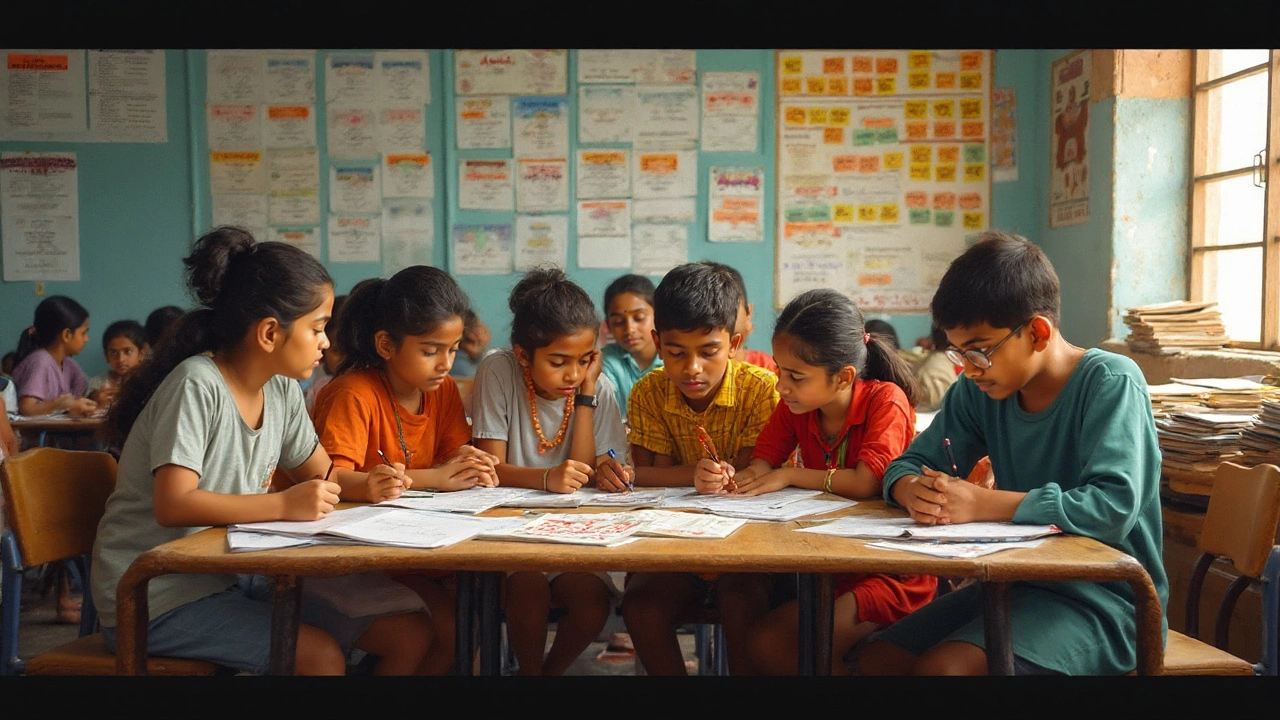
Which NEET Exam Was the Toughest? Breaking Down the Most Challenging Year
Which NEET exam was the hardest, and why? Get the details, compare papers, explore stats, and learn tips and study strategies for NEET success in this in-depth guide.
read more...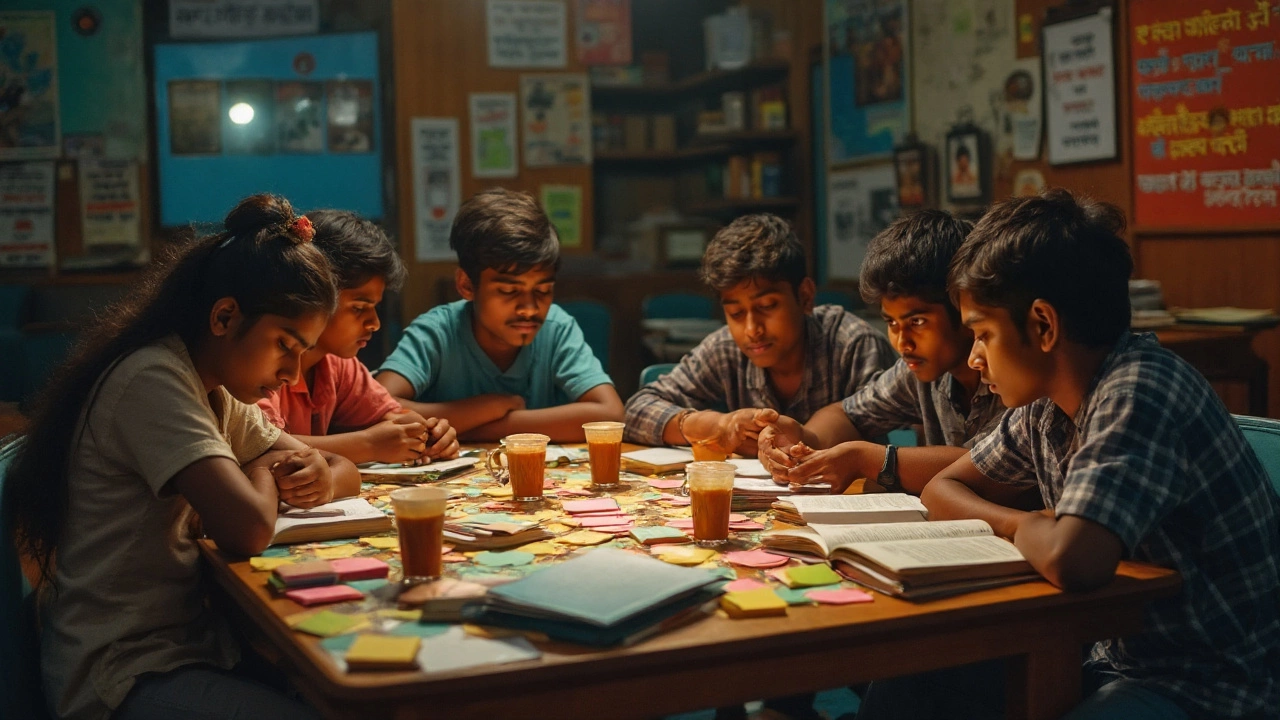
Hardest Board Exams in the World: The Ultimate Test of Academic Endurance
Discover which board exams are considered the toughest in the world, what makes them so challenging, and how students prepare to tackle the ultimate tests of knowledge.
read more...